
News

End of the Quarter: Biology in Aging Spring Seminar Series
With the quarter coming to an end, we want to thank everyone who attended our Biology in Aging Spring Seminar Series talks and give a special thank you to our speakers Dr. Scott Kennedy, Dr. Nathan Basisty, Dr. Katherine Prater, Dr. Monica Driscoll, and Dr. Jonathan An. We wish everyone a great summer! […]
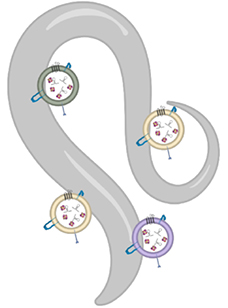
Dr. Alexander Mendenhall’s lab uncovers which gene copy (maternal or paternal) guides early gene expression
Researchers in Dr. Alexander Mendenhall’s laboratory at the Department of Laboratory Medicine and Pathology uncovered how maternal or paternal proteins influence which gene copy is switched on in early development using C. elegans. Read more here: Maternal histone methyltransferases antagonistically regulate autosomal random monoallelic expression (aRMAE) in C. elegans […]
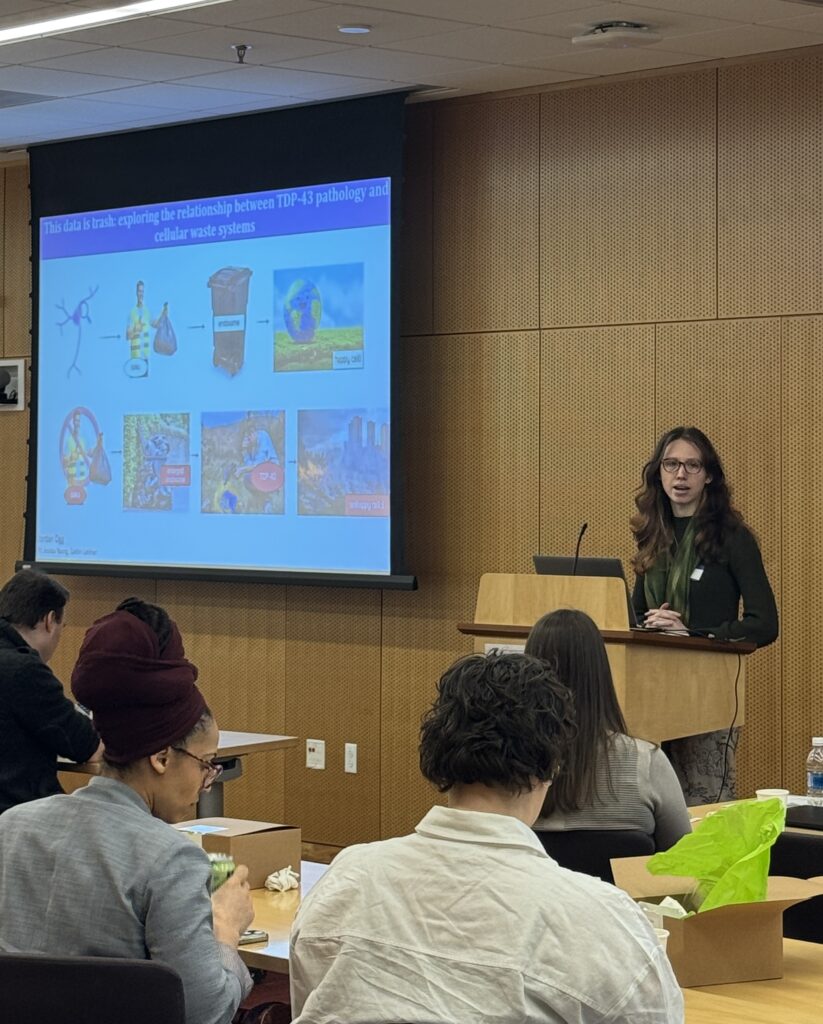
T32 Training Retreat
On March 4th, our BMHA T32 program and three other T32 programs from a variety of departments (ADTP, BCTP, CVTP) participated in a half day retreat. The retreat was comprised of three-minute thesis talks by trainees from all four programs, a guest faculty lecture by Dr. Nick Chavkin, and a career exploration workshop, followed by […]
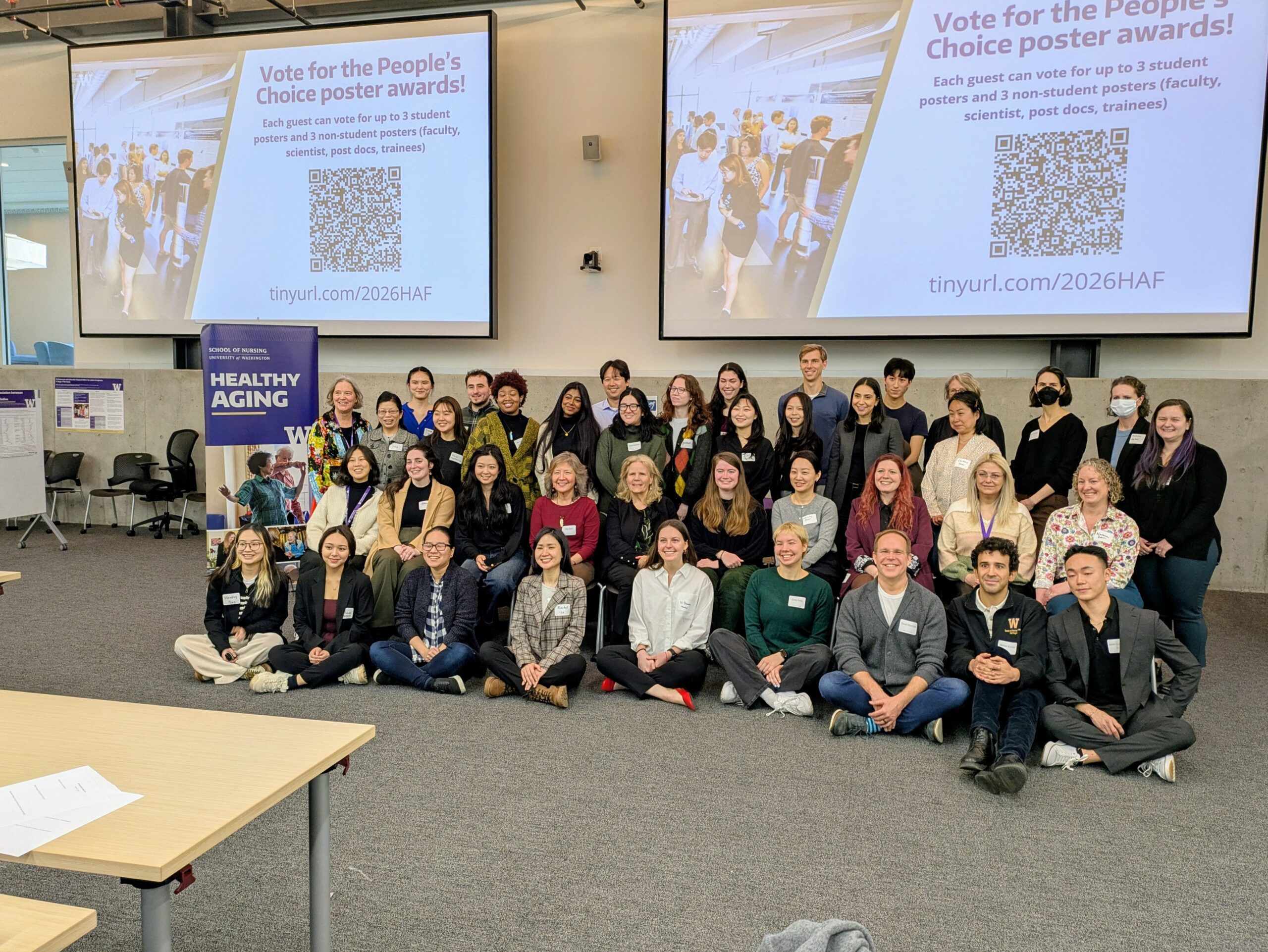
UW Healthy Aging Research Forum
On February 27th, we cohosted the UW Healthy Aging Research Forum along with other aging groups across the research, clinical, and social health communities. The purpose of the forum is to showcase the innovative aging work being conducted at UW across our disciplines and health science schools and for attendees to connect, network, and learn […]
One post-doctoral position available to study biological aging at the University of Washington for Summer 2024
The Biological Mechanisms of Healthy Aging training program has multiple openings for Pre-Doctoral & Post-Doctoral fellows. Please refer to here for details on dates. The goals of the BMHA training program are to provide outstanding pre-doctoral and post-doctoral scientists with (1) rigorous training in cutting edge research focused on biological mechanisms of healthy aging, (2) exposure to, and […]
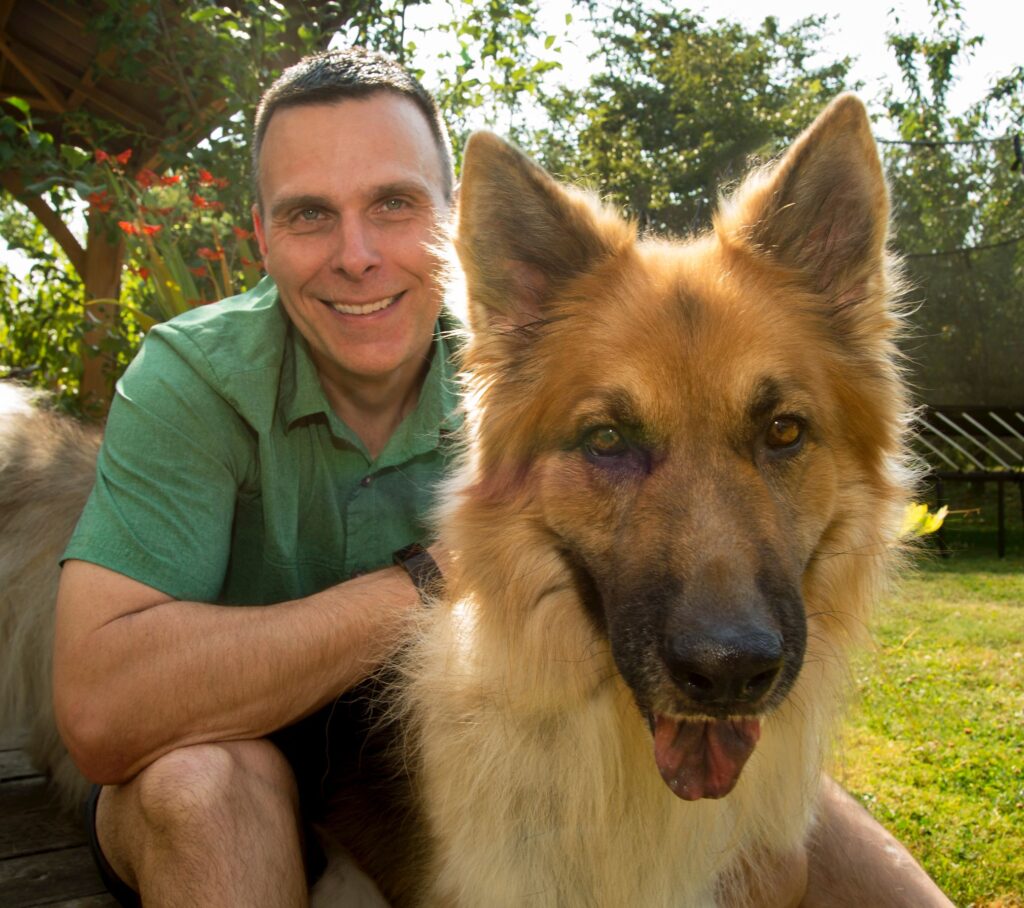
HALO Director Matt Kaeberlein highlights the start of expanded rapamycin clinical trials for dog longevity in interview by Longevity Technology
Matt Kaeberlein, Professor of Laboratory Medicine and Pathology at the University of Washington and director of the Healthy Aging and Longevity (HALo) Research Institute highlights the start of expanded rapamycin clinical trial for dog longevity. In this interview by Longevity Technology, Dr. Kaeberlein briefly covers his work on an initiative called The Dog Aging Project, which […]
HALO Director, Matt Kaeberlein, presents an introduction to the biology of aging in the ‘AGE Presents’ video lecture series
Matt Kaeberlein, Professor of Laboratory Medicine and Pathology at the University of Washington, director of the Healthy Aging and Longevity (HALo) Research Institute, and CEO of the American Aging Association, gives a broad introduction to the Biology of Aging and discusses the effects of rapamycin on biological age. This video is an introduction to the […]
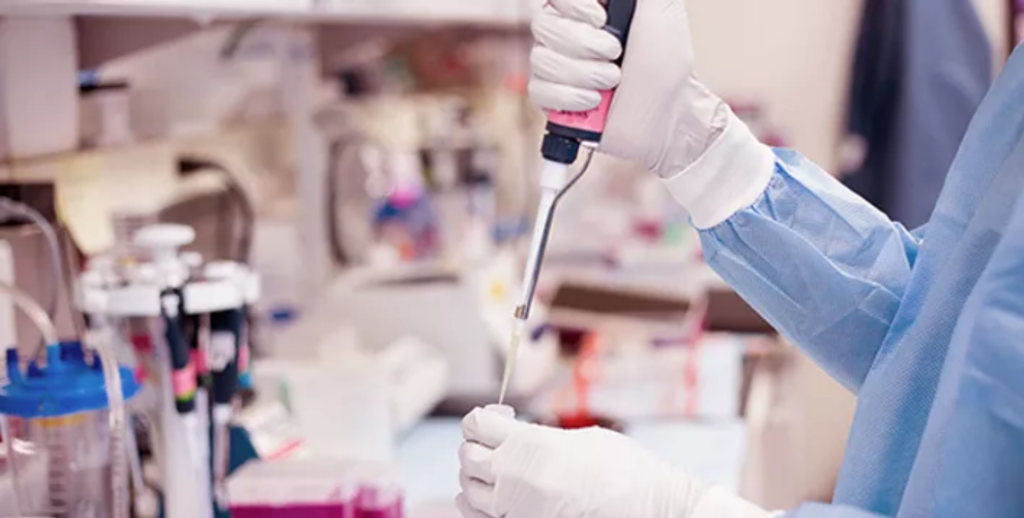
Postdoctoral Position Available to Study Somatic Mutations in Human Aging
A postdoctoral position is available immediately at the Risques Lab, Department of Laboratory Medicine and Pathology, University of Washington to study somatic evolution in human aging. We are looking for a highly motivated postdoc to work on the application of ultra-accurate sequencing methods to characterize low frequency somatic mutations across tissues and along human lifespan. […]
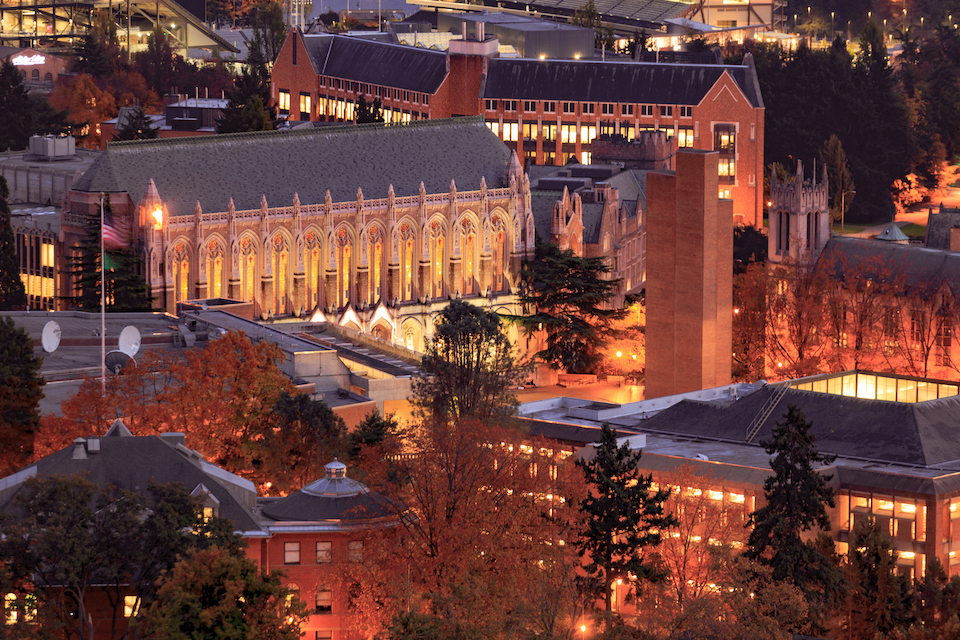
2020 Geroscience Virtual Symposium at the University of Washington
HALo and the UW Nathan Shock Center are pleased to host the 2020 UW Geroscience Symposium which will be held online this year due to COVID-19. This symposium will feature cutting edge research by HALO scientists studying various aspects of biological aging, with an emphasis on early career researchers and trainees. The symposium will happen […]
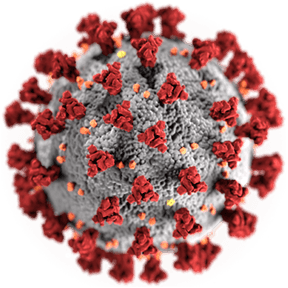
Geroscience in the Age of COVID-19
Several leading figures in the field of Geroscience have authored a position paper arguing for a geroscience approach to COVID-19 and other infectious diseases which preferentially afflict older people. HALO Director Matt Kaeberlein co-authored this piece along with Nir Barzilai (Director of the Institute for Aging Research at Albert Einstein College of Medicine of Yeshiva […]
